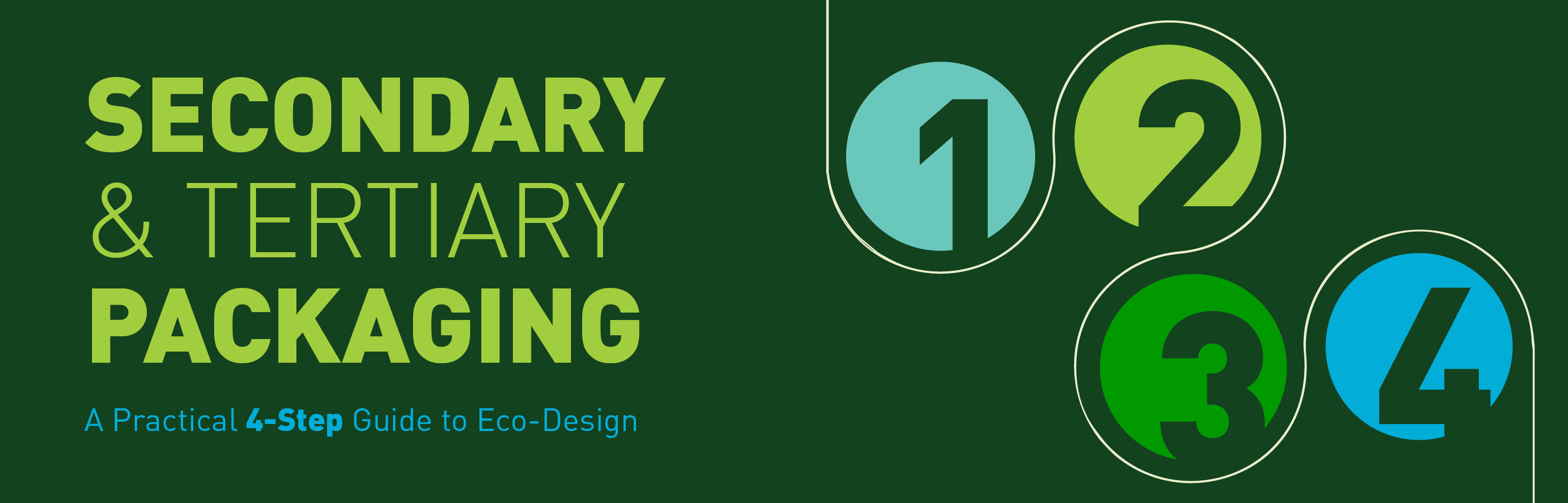
A practical guide to Eco-Design
IN FOUR STEPS!
Discover this practical guide featuring industry best practices to help reduce the environmental impact of your transport, protective, and logistics packaging. Download your free copy and get access to:

The fundamental principles of
eco-design

Why embrace
eco-design
now

Four key
steps to
success

The 3Rs principle: Reduce, Reuse,
and Recycle
How to calculate your greenhouse gas emissions

Practical tips and ideas to help you begin

How to measure packaging performance
Real-world case studies with measurable results
A preview is worth a THOUSAND WORDS!
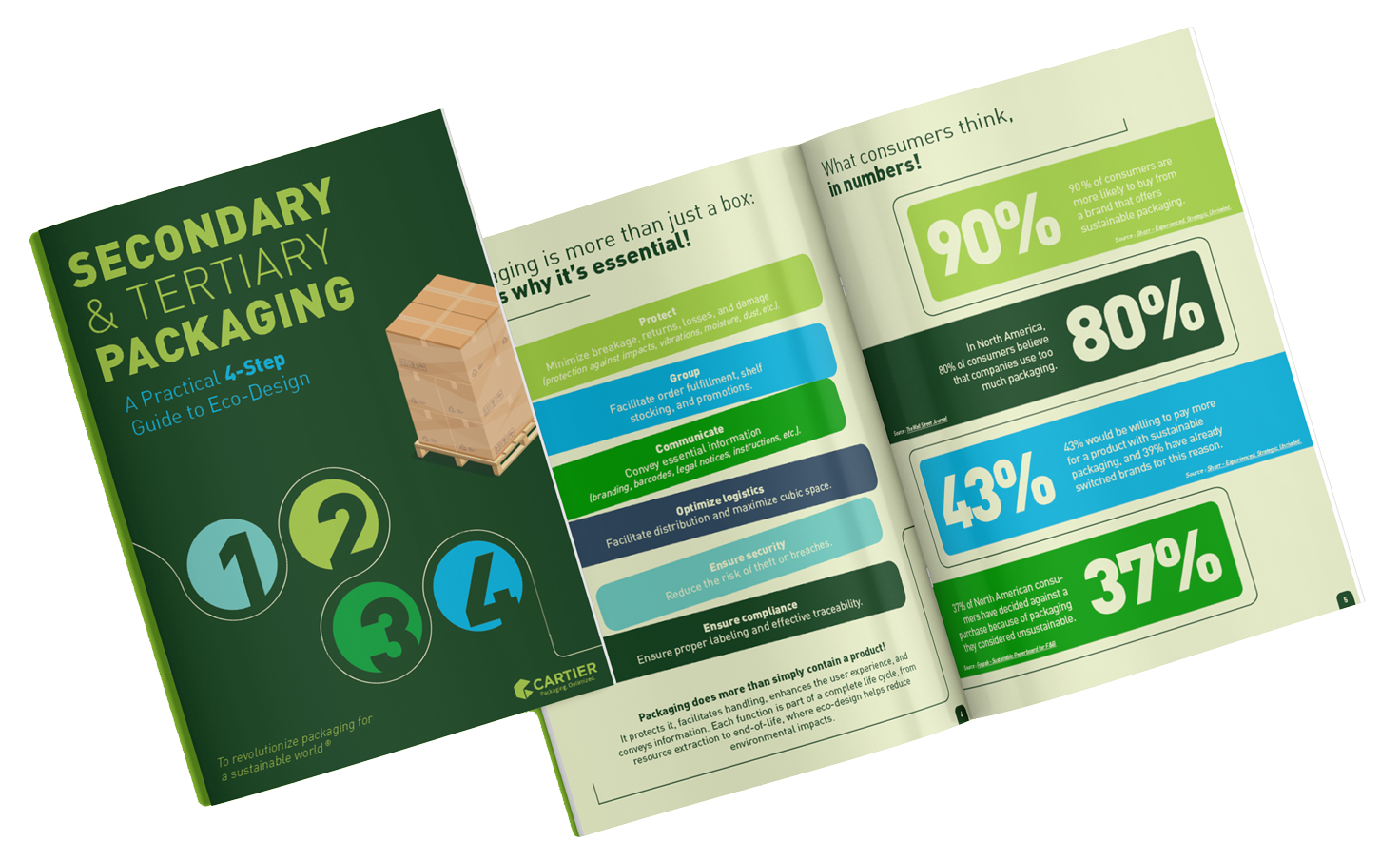
Who is this GUIDE FOR?
- Operations Managers
- Logistics Managers
- Purchasing Managers and Buyers
- Sustainability Managers
- Engineers and Continuous Improvement Managers
Why has secondary and tertiary packaging
ECO-DESIGN BECOME ESSENTIAL?
The concept is simple!
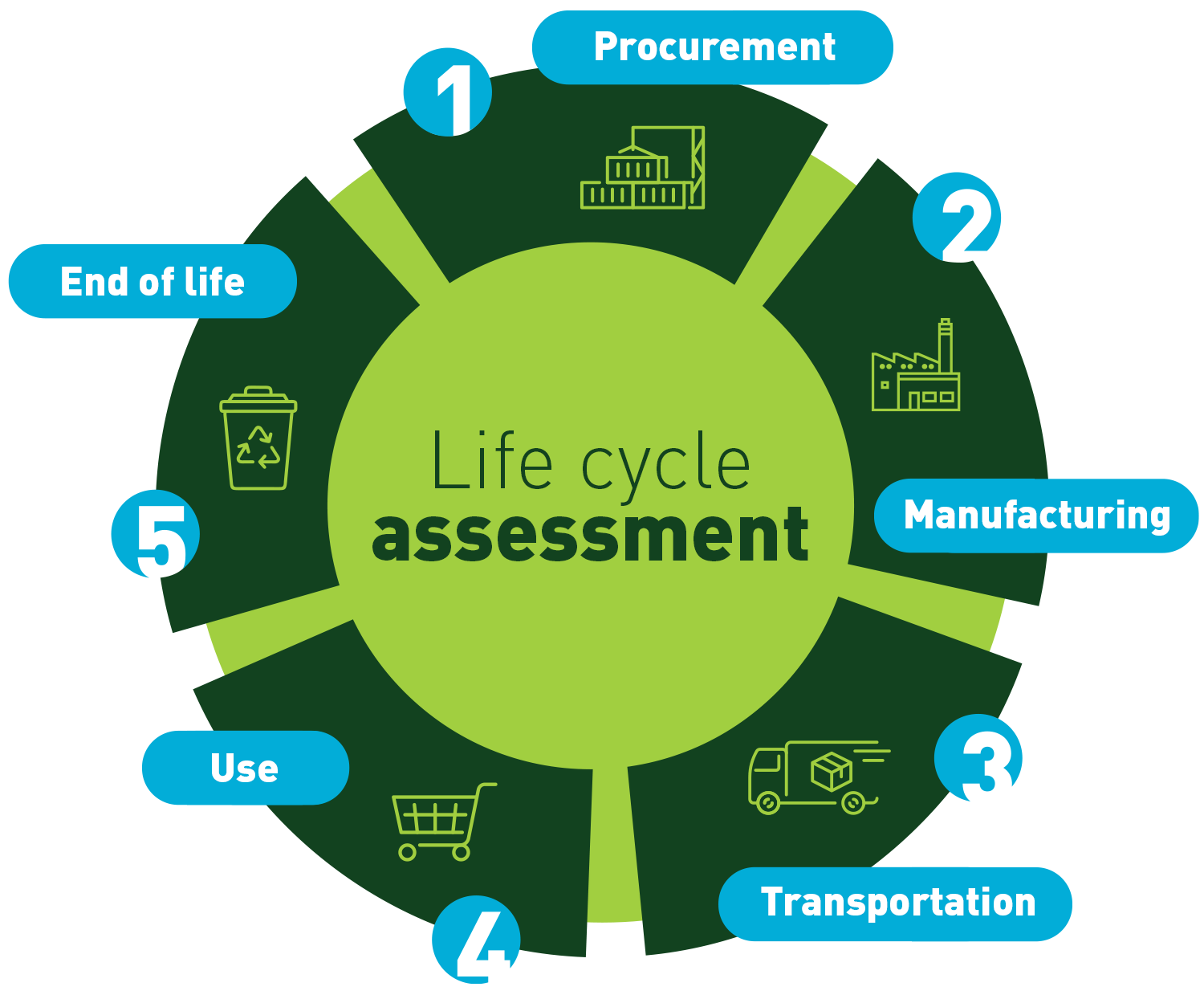
Reduce the environmental impact of a product or service throughout its entire life cycle, in this case packaging, from raw material extraction to end-of-life, including manufacturing, transportation, and use.
The goal?
To combine performance, innovation, and environmental responsibility. By integrating these three dimensions from the design stage, companies can transform their packaging into solutions that are more sustainable, more efficient, and better aligned with market expectations.
What do consumers think
ABOUT ECO-DESIGN?
90% of consumers
are more likely
to purchase
from a brand that
offers sustainable
packaging.

54% have intentionally chosen products with environmentally responsible packaging within the past six months.
Source : The Wall Street Journal
43% are willing
to pay more for products with sustainable packaging, and 39% have already switched brands for that reason.

37% of North American consumers have decided not to purchase a product because they considered its packaging to be unsustainable.
These are just a few of the many compelling reasons to embrace eco-design. While adapting requires effort, it also presents a valuable opportunity to differentiate your business and take meaningful action for the environment, starting with your packaging!
FAQ
What is packaging eco-design?
Packaging eco-design consists of designing or optimizing packaging to reduce its environmental impact throughout its life cycle, without compromising its primary function: protecting the product. This can be achieved in several ways, such as reducing material use, improving recyclability, optimizing transportation, or reducing losses related to product damage, among others.
How can I make packaging more sustainable?
Our guide helps you understand the fundamental principles of eco-design and introduces a practical four-step approach to optimizing your packaging. You’ll also find practical tips, real-world examples, and ideas to help you start or accelerate your journey. In short, everything you need to get started on your path toward more sustainable packaging!
What is the best material for sustainable packaging?
There is no single material that is better than all others when it comes to making packaging more sustainable. Every situation is unique, which is why it is important to approach any change with a more scientific mindset rather than relying on trial and error.
Making packaging more sustainable does not necessarily mean changing materials. It is more complex than that and can involve many different factors. It may include reducing the amount of material used or making changes to sourcing, for example. Our guide explores several of the different options available!
Can eco-design also help reduce costs?
In many situations, an eco-design approach can help reduce certain costs, particularly those related to materials, transportation, warehousing, or handling. However, results vary depending on the products, processes, and specific context of each company.
How can I reduce the carbon footprint of my packaging?
At CARTIER, we first recommend measuring your packaging performance to identify its strengths and weaknesses. From there, you can move forward with optimization or eco-design initiatives aimed at reducing your carbon footprint.
Our laboratory experts are best positioned to help you with this process. They guide you step by step and can even show you the carbon footprint of your packaging before and after optimization.
Is eco-design only for large companies?
No. Eco-design principles can be applied by companies of all sizes. Projects can begin with small optimizations and gradually evolve into a more comprehensive approach. No project is too small for our team!
Does this guide include real-world examples?
Yes. The guide includes examples, best practices, and a structured methodology to help companies begin their sustainability journey and integrate eco-design into their packaging projects.